Suudu Baaba (suudu-baaba.com), also called Planet Fulbe (planetfulbe.com), is a website dedicated to the history, culture, and intellectual heritage of the Fulbe—also known as the Haal-Pulaar’en—exploring both their ancient roots and their contemporary realities.
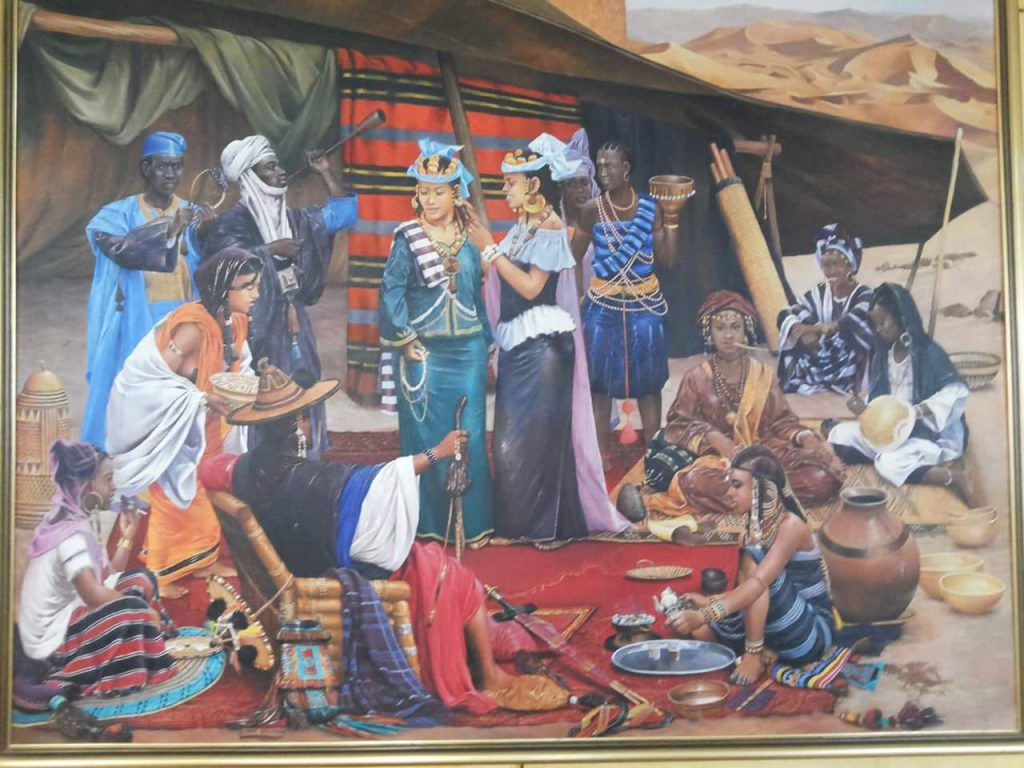
The Fulbe, or Haal-Pulaar’en, as they refer to themselves, are an ancient people with a fascinating history and a remarkably rich cultural tradition. Over centuries, they have passed through multiple stages of social, political, and cultural development. Each of these historical phases has left lasting influences on the identity and traditions of the modern Fulani people, resulting in a culture that is both diverse and deeply layered.
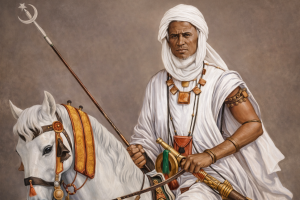
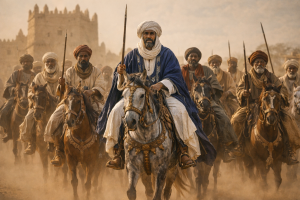
The Fulani are widely recognized as the largest nomadic pastoralist community in the world. Yet their history is not limited to pastoral life alone. They have also played a decisive role in shaping the political and intellectual history of West Africa. Throughout the centuries, Fulani leaders and scholars founded and governed influential states and empires, including the Kingdom of Fuuta Tooro, the Kingdom of Fuuta Jallon, the Massina Empire, the Toucouleur Empire, and the Sokoto Caliphate. These states were often characterized by strong scholarly traditions, Islamic learning, and administrative reforms that left a profound imprint on the region.
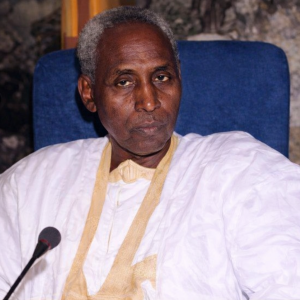
The Fulbe have also contributed significantly to modern African and international leadership. In the early years of post-colonial Africa, Boubacar Diallo Telli served as the first secretary-general of the Organization of African Unity (OAU), the predecessor of today’s African Union. On the global stage, Amina J. Mohammed, a Nigerian diplomat of Fulani heritage, currently serves as the deputy secretary-general of the United Nations.
Several prominent African heads of state have also come from Fulani backgrounds, including Ahmadou Ahidjo of Cameroon; Shehu Shagari, Umaru Musa Yar’Adua, and Muhammadu Buhari of Nigeria; Thomas Sankara of Burkina Faso; Macky Sall of Senegal; and Adama Barrow of The Gambia, among others.
Despite their geographic dispersion across West and Central Africa, the Fulbe remain united by shared cultural foundations. These include the Pulaar/Fulfulde language, a common historical memory, rich cultural traditions, and a distinctive ethical code known as Pulaaku (or Pulaagu)—a moral philosophy that emphasizes dignity, self-discipline, respect, courage, and generosity.
Planet Fulbe aims to preserve, document, and promote the historical legacy, cultural expressions, and intellectual contributions of the Fulbe people for present and future generations.