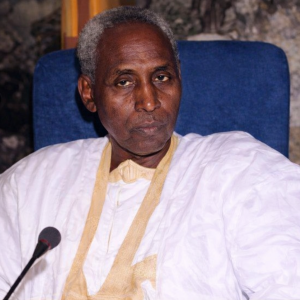
A Pioneer of African Language Revival: The Life and Work of Yero Dooro Jallo
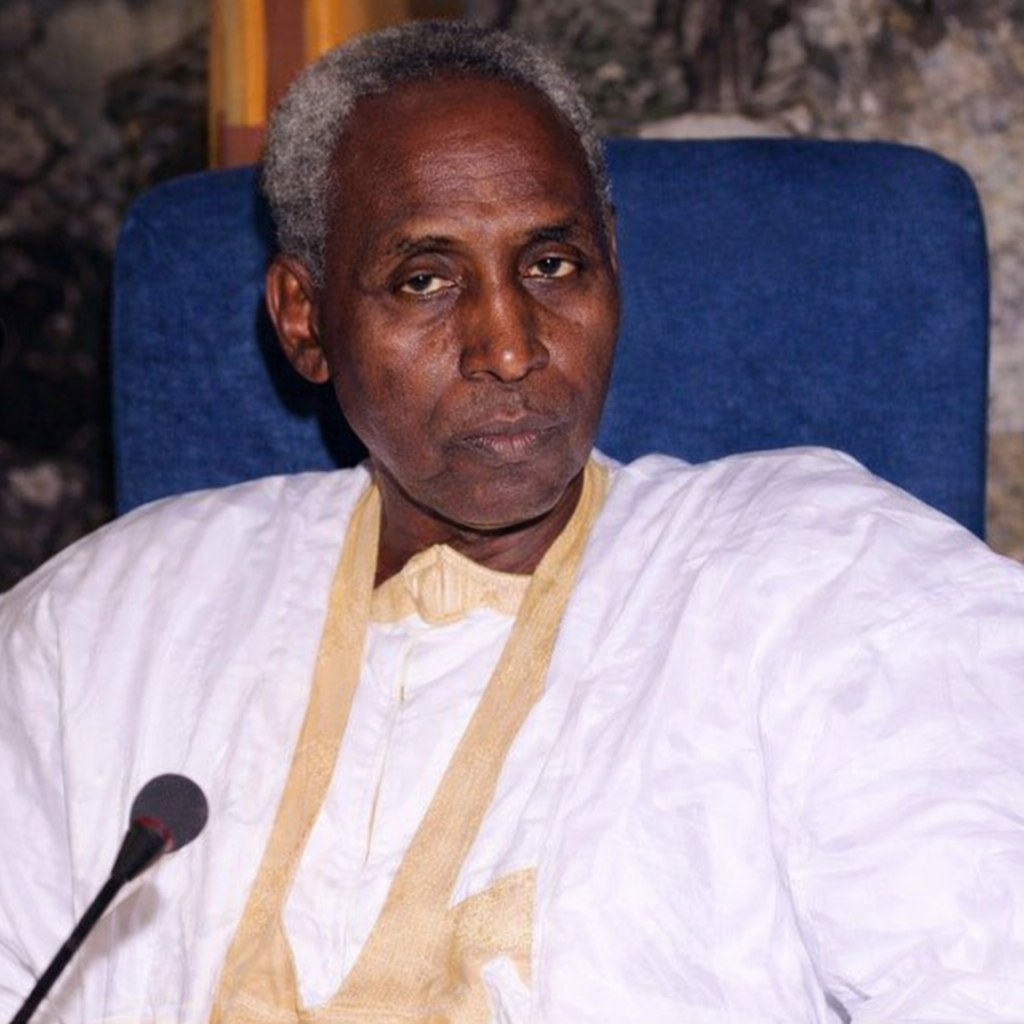
Among the great figures who dedicated their lives to the revival and intellectual development of African languages, Yero Dooro Jallo (1947–2006) occupies a special place. A scholar, educator, and cultural activist, he is best known as the author of the Pulaar literary work Ndikkiri Jom Moolo—The First-Born Guitarist. The book is widely considered the first fictional narrative written in Pulaar, marking a turning point in the history of Fulani literature and the development of written expression in the language.
Yet Jallo’s legacy extends far beyond a single book. His life story reflects the broader intellectual movement that sought to restore dignity, scholarship, and creativity to African languages during the post-colonial era.
Early Life in Fuuta Tooro
Yero Dooro Jallo was born in 1947 in the Fuuta Tooro region, in the village of Beylugge, which today lies within the territory of Mauritania. Although he was born there, his family roots were in Lummbol Sammba-Abdul in Senegal, reflecting the fluid cultural and geographic connections that have long characterized the Fulani communities of the Senegal River Valley.
Like most children growing up in Fuuta Tooro, Jallo’s early education began in the traditional Qur’anic school system. At the age of six, he was sent to study in Matam, a city known for its long-standing tradition of Islamic scholarship.
These early years immersed him in Qur’anic memorization, Arabic literacy, and Islamic sciences, forming the intellectual foundation that would guide much of his later life.
A Determined Journey to Egypt
By the age of thirteen, the young Fulani student had developed an ambitious goal: to pursue advanced Islamic studies in Egypt and eventually enroll at the prestigious Al-Azhar University in Cairo.
Founded more than a thousand years ago, Al-Azhar is one of the most respected institutions in the Islamic world and has historically served as a global center for Islamic jurisprudence, theology, Arabic language, and religious scholarship. But the road to Cairo was anything but easy.
With limited financial resources and little more than determination to sustain him, the young Jallo embarked on a long and uncertain journey across several African countries. Along the way, he worked small jobs to earn money, moving step by step toward his goal. After years of perseverance, he finally arrived in Cairo in January 1966.
This journey itself would later symbolize the determination of an entire generation of African students seeking knowledge beyond colonial educational structures.
Fulɓe Students and the Cultural Awakening of the 1960s
When Yero Dooro arrived in Egypt, he encountered a vibrant community of Fulɓe students from across Africa who were studying in Arab countries.
These young intellectuals had already established a cultural and social organization known as the Association of Pulaar/Fulfulde Students of Arab Countries, often referred to simply as Kawtal.
The timing was significant. The 1960s were a period of political independence and cultural reawakening across Africa. Newly independent nations were searching for ways to reclaim their history, languages, and intellectual traditions after decades of colonial rule.
At the same time, Egypt under President Gamal Abdel Nasser was promoting Arab nationalism and cultural unity, inspiring many students from other regions to think deeply about their own cultural identities.
Witnessing these global movements of intellectual awakening, the Fulɓe students began asking important questions:
- Why should African knowledge only be expressed in European languages?
- Why should Fulɓe scholars depend on foreign languages to educate their own communities?
- Why should their language remain confined to oral expression when others had developed rich written literature?
These questions sparked a powerful cultural project.
The Vision: Making Pulaar a Language of Knowledge
For centuries, the Fulɓe had been deeply connected to Islamic scholarship. However, the transmission of Islamic knowledge largely occurred through Arabic, which meant that many ordinary Fulani speakers could not easily access religious and intellectual texts.
At the same time, the students in Cairo observed something important. Muslims from countries such as Turkey, Pakistan, Indonesia, and Malaysia were actively writing religious and scholarly works in their own languages while maintaining access to Arabic scholarship. This realization transformed their thinking.
If others could do it, why not the Fulɓe?
The members of the association concluded that Pulaar/Fulfulde must become a language capable of expressing scholarship, literature, and science. Their goal was not merely to write in Pulaar but to liberate the language from dependence on foreign linguistic systems and elevate it into a fully functional medium of knowledge. They therefore began translating Islamic texts into Pulaar, creating educational materials, and developing written standards for the language. This initiative would become one of the most important intellectual movements in modern Fulani cultural history.
Yero Dooro Jallo and the Kawtal Movement
Yero Dooro Jallo quickly emerged as one of the most active and influential members of this movement.
Within the association, he served on several committees responsible for translating Islamic works into Pulaar. These translation projects aimed to make religious knowledge accessible to ordinary Fulani speakers across West Africa.
He also played a major role in the production of Peeral, a publication associated with the student organization. Through this platform, the group disseminated ideas, literary works, and discussions about language development and cultural identity.
During his years in Egypt—from 1966 to 1978—Jallo became widely respected among his peers for his dedication to Pulaar literacy, scholarship, and cultural revival.
Academic Achievements
After years of study, Yero Dooro Jallo successfully graduated from Al-Azhar University in 1978.
He then returned to Senegal, where he continued his academic journey at the University of Dakar (now Cheikh Anta Diop University) and later attended the École Normale Supérieure, an institution dedicated to advanced teacher training. This educational background allowed him to bridge traditional Islamic scholarship and modern academic education, a rare combination that shaped his later work in education and cultural activism.
A Life Dedicated to Pulaar Language and Literature
Upon returning to Senegal, Jallo intensified his efforts to promote Pulaar literacy, publishing, and education.
His contributions were remarkable. Over the course of his life, he participated in the production of 37 books, many of which focused on language development, education, and cultural preservation.
Among his most celebrated works is the novel Ndikkiri Jom Moolo, often cited as the first fictional work written in Pulaar. The novel represents a milestone because it demonstrates that Pulaar is capable not only of conveying religious knowledge but also of expressing creative imagination and narrative storytelling.
Through literature, Jallo showed that African languages could be vehicles of art, philosophy, and cultural expression.
Leadership in Cultural and Linguistic Organizations
Yero Dooro Jallo’s commitment to Pulaar extended far beyond his writing. He played a leadership role in several organizations dedicated to the promotion of African languages.
Among his many contributions:
- He served for more than ten years as President of the Association for the Renaissance of Pulaar, guiding its initiatives until his death.
- He was a member of the Initiative Group for the Promotion of Books in National Languages (GIPLLN).
- He participated in the Fulo Committee, which focused on preserving religious texts and scholarly works.
- In 1982, he was among the founding members of the World Association of Pulaar/Fulfulde Students, established during a meeting in Bordeaux, France.
- In 2002, he helped establish Tabital Pulaagu Winndere in Bamako, Mali, a global cultural organization dedicated to promoting Fulani identity and language. He served as vice-president and president of the Senegal branch until his death.
Through these organizations, Jallo helped create an international network of scholars, writers, and activists committed to the development of Pulaar/Fulfulde.
Legacy and Lasting Impact
Yero Dooro Jallo passed away in Dakar on 5 March 2008 at the age of 59.
Although his life was relatively short, his intellectual legacy continues to resonate across the Fulani world. His work contributed to:
- the promotion of African languages in education,
- the development of Pulaar literature,
- the translation of Islamic scholarship into accessible languages,
- and the revival of Fulani cultural identity in the modern era.
Today, as debates about language, identity, and education continue across Africa, the life of Yero Dooro Jallo serves as a powerful reminder that language is more than a means of communication; it is a vessel of culture, memory, and knowledge.
Through his writing, activism, and scholarship, he helped ensure that Pulaar would not remain confined to oral tradition but would stand proudly among the written languages of the world.
About Post Author